How to · 6 min read · 1,031 words
Oak vs Walnut: Choosing the Right Wood for an Engraved Gift
Grain, colour, how the engraving reads and how it ages - a short guide to picking the wood before you pick the words.

The finish option on a product page looks like a colour choice. It is not: the wood changes how the engraving reads, how the piece ages and, honestly, who it suits.
Oak
Pale, open-grained and informal. Engraving on oak reads softer because the grain competes with the letters, which suits names and short lines more than dense paragraphs. Oak lightens slightly with age in a bright room.
Choose oak for kitchens, family pieces, children's names and anything that will sit in a room full of daylight.
Walnut
Darker, tighter grained and more formal. The engraving reads crisper because the lighter cut contrasts against the dark surface, which is why dates and numerals look sharpest on walnut.
Choose walnut for gifts that need to look considered: desks, studies, wedding pieces, anything for someone who uses the word “smart” about objects.
Dark espresso
Walnut finished deeper. It is the most dramatic contrast we offer and the most-chosen finish for gifts for men, by a distance. It shows dust more than the other two, which is worth knowing before you put it on a black desk.
Personalized Gifts
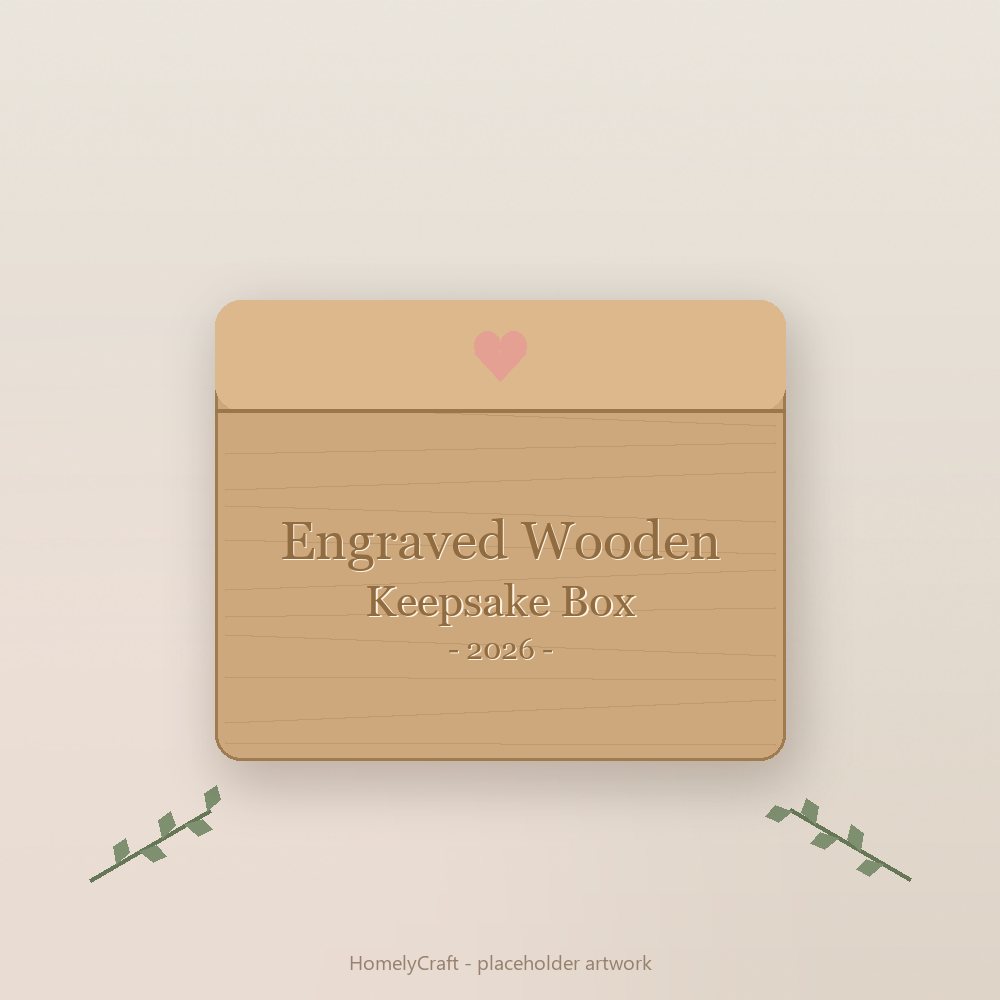
Engraved Wooden Keepsake Box
A lidded wooden box engraved with a name and a message, lined and finished by hand.
Personalized Gifts
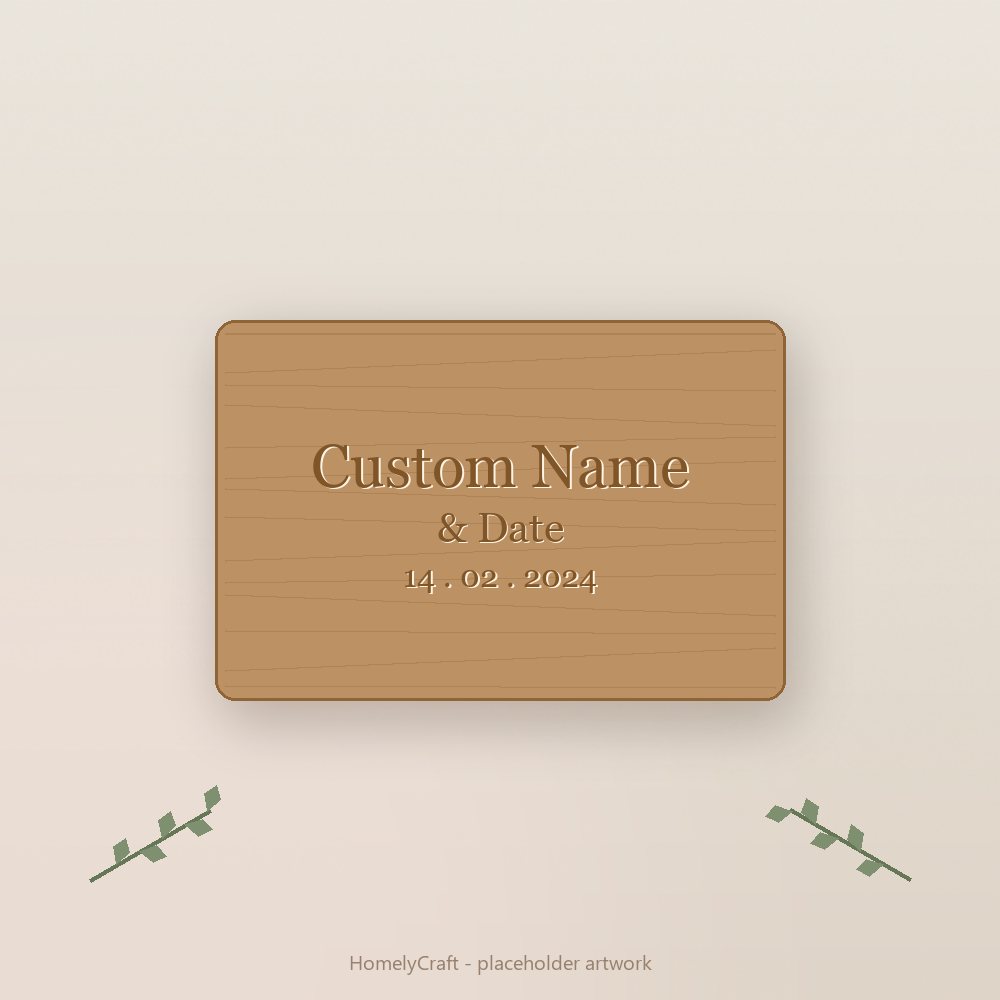
Custom Name & Date Wooden Plaque
Two names, one date, engraved deep into wood and finished by hand.
Personalized Gifts
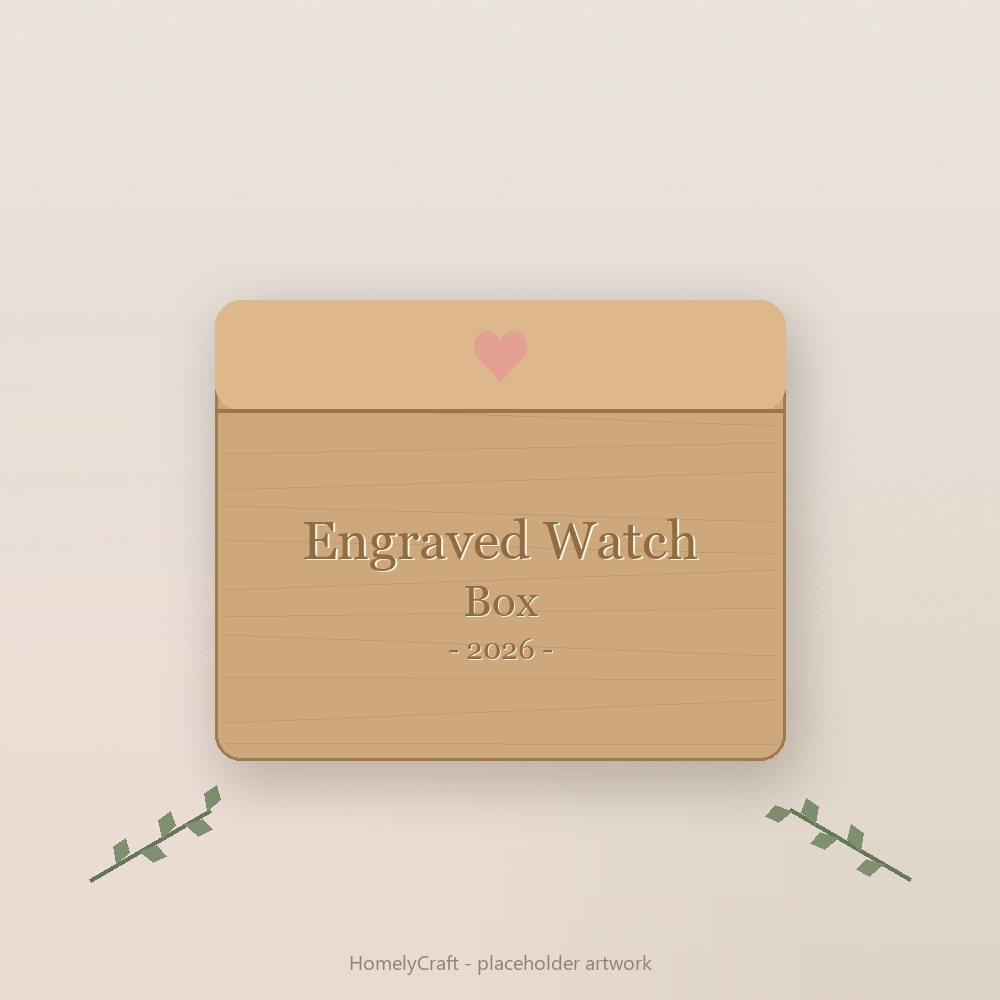
Engraved Watch Box
A lined case for the watches that currently live in a drawer.
Grain variation is not a defect
Two boards from the same tree will not match. Every product photograph shows one example piece, and yours will have its own grain, its own tone and its own small differences. That is what separates a handmade object from a moulded one, and it is the reason we will not pretend our photos are exact.
Looking after it
- Keep it out of direct sunlight and off a radiator - heat moves wood more than damp does.
- Dust with a dry cloth; skip household sprays, which leave a film in the engraving.
- Boards used for food need re-oiling every few months with food-safe oil. We include a care card.
- If it gets marked, a light rub along the grain with fine paper and a re-oil will take it out. It is wood, not glass - it is meant to be repairable.
How engraving actually works on wood
Engraving removes material rather than adding it. On wood the cut exposes fresh fibre underneath, which is why a freshly engraved letter is paler than the surface around it, and why the contrast changes slightly as the piece ages and the exposed surface catches light and oil from handling.
That is the fundamental difference from printing. A printed name sits on top of a finish and shares its lifespan; an engraved one is a change to the object itself and lasts as long as the object does.
Grain direction, and why it changes the result
Wood is not uniform - the Wood Database entry for white oak shows the difference against black walnut clearly. It has early growth and late growth, soft bands and hard ones, and an engraving crossing both will read slightly differently along its length. On open-grained timber like oak this is visible; on tight-grained timber like walnut it is almost invisible.
Practically, this means fine detail and small text belong on walnut, while oak suits larger, bolder lettering. We will say so when a design and a wood are fighting each other rather than quietly producing a poor result.
The third option: dark espresso
Dark espresso is walnut taken deeper. It produces the strongest contrast we offer, which is why it is chosen for most gifts for men and for almost every corporate order. The trade-off is that it shows dust and fingerprints more than the lighter finishes - worth knowing if the piece is destined for a glass desk in an office.
Whitewash, and when a pale finish is right
Whitewash lightens oak without hiding the grain. It suits bright rooms, nurseries and coastal interiors, and it is the finish most often chosen for family name signs and new-baby pieces. It is the weakest contrast of the four, so keep the text large.
Family Gifts
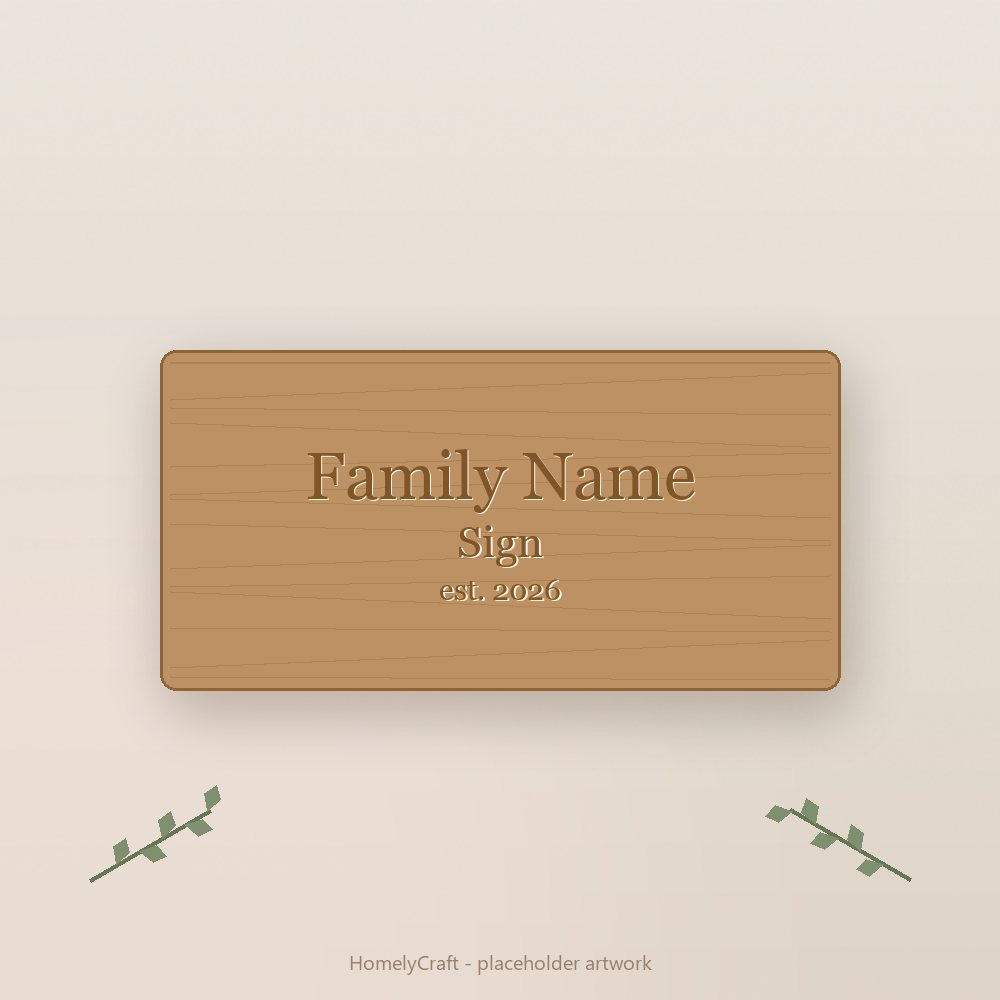
Family Name Sign
The family name, engraved large, with the year the household started.
Personalized Gifts
Custom Name & Date Wooden Plaque
Two names, one date, engraved deep into wood and finished by hand.
Personalized Gifts
Engraved Watch Box
A lined case for the watches that currently live in a drawer.
Matching wood to a room you have never seen
You usually cannot, and trying is how gifts end up not matching anything. The safer strategy is to ignore the room and choose by the object's job: warm and informal for kitchens and family spaces, dark and formal for desks and studies, pale for bright rooms and children's spaces.
If you genuinely have no idea, choose walnut. It is the finish that looks deliberate in the widest range of interiors.
Oiled versus lacquered finishes
We finish with oil rather than lacquer. Lacquer forms a film over the wood, which looks glossy and uniform on day one, but it chips, yellows over years, and cannot be repaired at home. Oil soaks in, leaves the grain feeling like wood rather than plastic, and can be refreshed with a cloth whenever the piece looks tired.
The cost of that choice is that oiled wood needs occasional attention. For a keepsake, a few minutes every year or two is a reasonable price for a piece that can be brought back rather than replaced.
Looking after an engraved wooden piece
- Keep it out of direct sunlight; strong light lightens most timbers unevenly.
- Keep it off radiators and away from underfloor heating vents - dry heat moves wood more than damp does.
- Dust with a dry cloth. Household sprays leave residue in the engraving and dull the finish.
- Re-oil food boards every few months with food-safe oil; decorative pieces every year or two if they look dry.
- If it gets marked, rub lightly along the grain with fine paper and re-oil. It is wood, not glass - repair is the point.
Is it sustainable?
We buy in small quantities from UK timber merchants and use offcuts for the smaller pieces, which is what a small workshop can honestly claim. We are not going to print a leaf on the packaging and imply more than that.
The strongest environmental argument for this kind of object is not the material at all: it is that a personalized keepsake is rarely thrown away. Longevity beats almost every other factor.
Choosing in one line
Oak for kitchens, families and daylight. Walnut for desks, weddings and anything with small text. Dark espresso when you want the contrast to be the first thing noticed. Whitewash for bright rooms and new babies.
Questions about how to
Which wood is best for engraving?
Walnut for fine detail and small text, because the tight grain lets letters stay crisp. Oak suits larger, bolder lettering and warmer rooms.
Will the engraving wear off?
No. Engraving removes material rather than sitting on the surface, so it lasts as long as the object. Printed personalization is what fades and lifts.
How do I care for an oiled wooden gift?
Keep it out of direct sun and away from radiators, dust with a dry cloth, and re-oil food boards every few months. Marks can be sanded lightly along the grain and re-oiled.
Will my piece look exactly like the photograph?
Close, but not identical. Grain, tone and figure vary between boards - that variation is a property of real wood and part of what makes a handmade piece one of a few.
Which woods does HomelyCraft use?
Solid natural oak and walnut, plus a dark espresso finish on walnut. HomelyCraft oils rather than lacquers them and buys timber in small quantities from UK merchants.
More from the gift journal
- What to Engrave: Message Ideas That Do Not Sound Like a Greeting CardThe engraving is the part people agonise over and then default to something safe. Here is how to write one that sounds like you.
- How to Photograph an Old Family Photo So It Actually Prints WellNo scanner, one phone, five minutes. The practical way to copy an old print so it can be restored and framed.
- Christmas Order Deadlines: Why Handmade Gifts Run Out FirstPersonalized gifts have a cut-off date that has nothing to do with the courier. Here is how to work backwards from 25 December.
Made by hand, personalized for one person
Everything in these guides is something we make. Send us the names, the date and the message, approve the layout, and we will craft and ship it.
Browse all gifts