
Buying guides · 7 min read · 1,060 words
Gifts for Someone Who Says They Do Not Want Anything
They mean it, usually. Here is how to buy for the person who genuinely does not want more things - and why a dated keepsake is the one exception they keep.

“Please don't get me anything.” It is the hardest brief in gifting, partly because most people assume it is a politeness and it usually is not. The person saying it means something quite specific, and if you work out which thing they mean, the gift almost picks itself.
What they are actually objecting to
Nobody dislikes being thought about. What people object to is one of four things, and they are very different problems:
- Clutter. They have run out of surfaces. Another ornament is a chore, not a present.
- Obligation. If you spend, they feel they must spend back. Saying “nothing” is them trying to call a truce.
- Waste. They dislike things being bought that will not be used. This is usually a values position, not a mood.
- Being misread. They have had years of gifts that were not quite right and would rather have nothing than another near miss.
Each of these has a different answer. Clutter wants something small or useful. Obligation wants something inexpensive enough not to start an arms race. Waste wants something that lasts. Being misread wants something specific enough to prove you were paying attention.
The four kinds of gift that still land
1. Something with a job
A board that gets used in the kitchen. A box that holds the documents currently loose in a drawer. A desk piece that replaces the mug holding pens. These do not add clutter because they take work off the person's hands.
Family Gifts
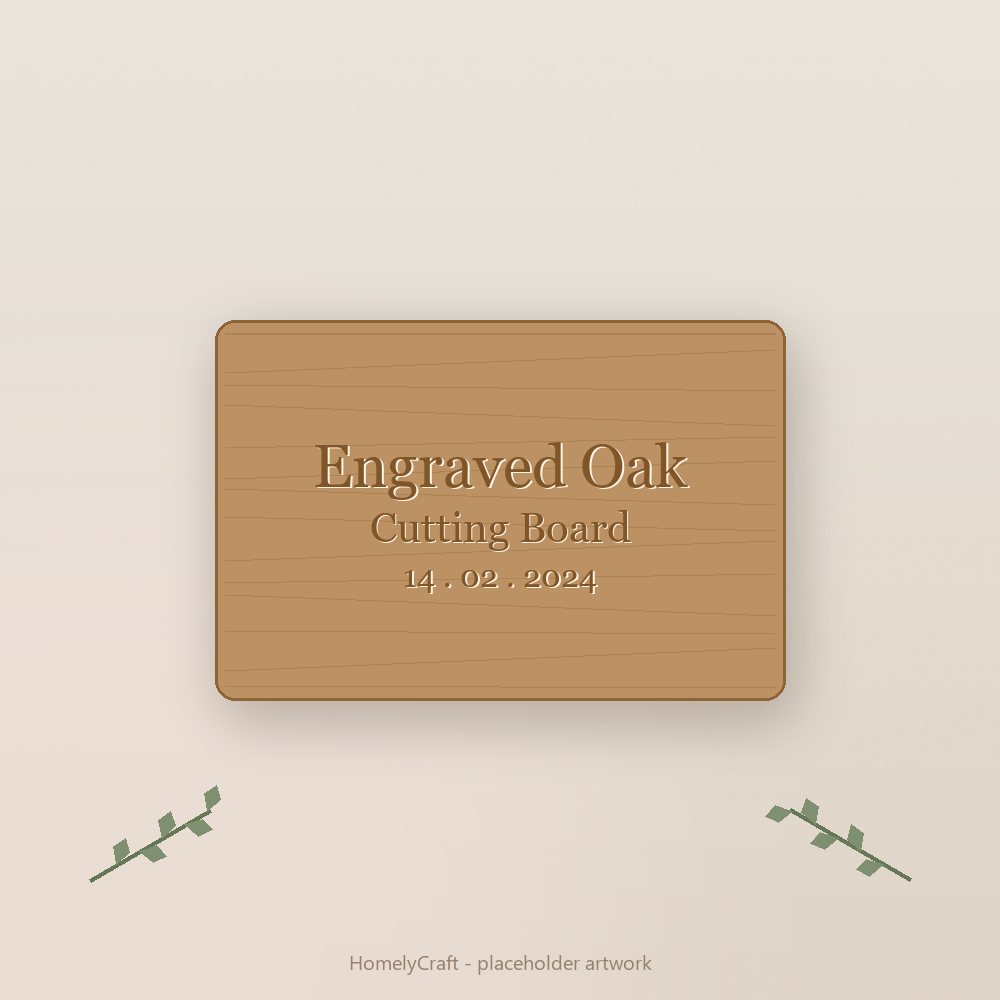
Engraved Oak Cutting Board
A solid oak board engraved with the family name - used daily, not shelved.
Personalized Gifts
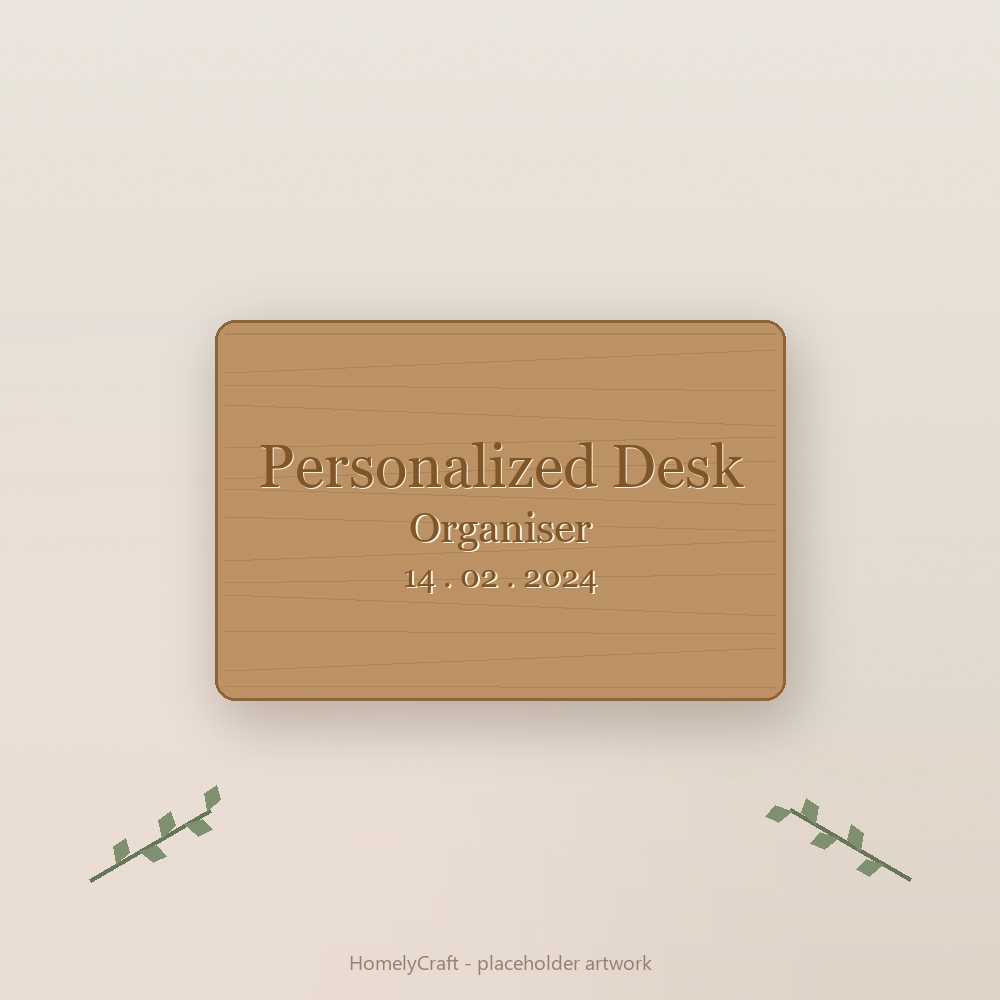
Personalized Desk Organiser
Pen tray, phone stand and a name engraved across the front.
Personalized Gifts
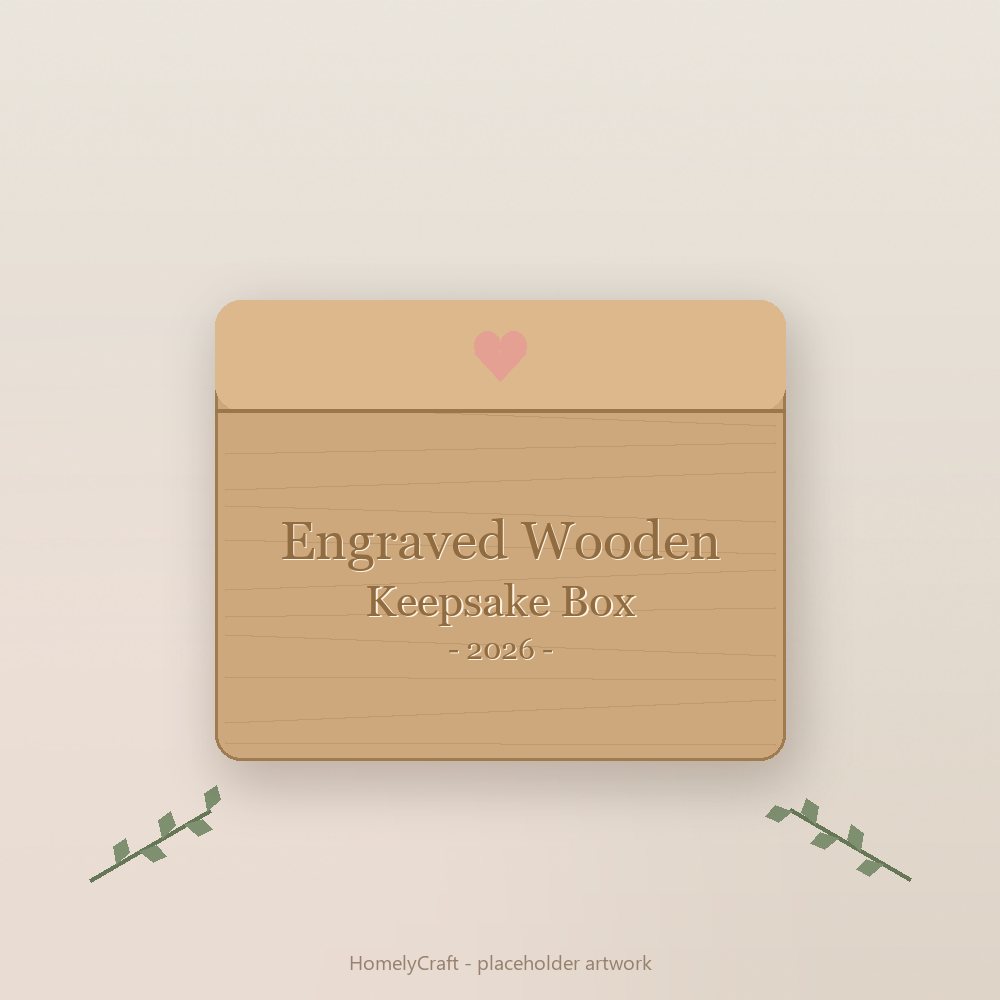
Engraved Wooden Keepsake Box
A lidded wooden box engraved with a name and a message, lined and finished by hand.
2. Something that records rather than decorates
A date, a place, a name. A dated piece is not a decorative object pretending to be meaningful - it is a record, and people keep records. This is the one category that regularly beats “nothing” even with the most anti-clutter recipient.
3. Something consumable, with one keepsake inside
If they genuinely want nothing permanent, give something that disappears - and let the only lasting part be small. A gift box where the box itself is the keepsake works here, because what survives is one object rather than five.
4. Something that is really time
A photograph printed and framed costs little and takes effort: finding the picture, having it restored, choosing what to engrave underneath. People who say they want nothing almost never mean they want no evidence that you thought about them.
What to avoid with this person
- Anything that needs maintaining. Plants, subscriptions, anything with a login.
- Novelty. A joke gift to someone who asked for nothing reads as not listening.
- Expensive. It converts their “no thank you” into a debt.
- Sets. Four things is four times the clutter problem.
- Anything sized or scented. Guessing is what made them say no in the first place.
The sentence that makes it land
Put the reasoning in the card, not the price in the gift. “I know you said nothing. This is small, it has your date on it, and you can put it in a drawer if you hate it” does more work than any amount of wrapping.
Giving them permission to not display it is the part people forget. It removes the obligation, which was often the objection in the first place.
If they still say no
Then believe them, and give time instead - a day out, a job done, a meal cooked. Our range cannot help with that, and pretending otherwise would be dishonest. A gift nobody wanted is still a gift nobody wanted, however nicely it is engraved.
If you do go ahead with something made, the guide on choosing a personalized gift covers the detail, and gifts under £75 is the right place to look - small is the point here, not cheap.
The anti-clutter test
Before buying anything for this person, answer one question: where in their home does this object go, and what is already there? If you cannot name the surface, it is clutter however nice it is. If the answer is “it replaces the ugly thing they are currently using”, you have found a good gift.
This test eliminates most decorative objects immediately, which is why it is useful. It also explains why boxes, boards and desk pieces keep appearing in our order history for people described as impossible to buy for - every one of them takes a job off somebody's hands.
Parents and grandparents
This is the group that says “nothing” most often and means it least. What they usually want is evidence - that the family is fine, that somebody thought about them, that the grandchildren exist and are growing.
Photographs beat objects here almost every time. A printed, framed picture of the people they miss, with the year engraved underneath, outperforms anything bought for its own sake. If the photograph is old and creased, have it cleaned up and reprinted - the restoration is often the gift.
Family Gifts
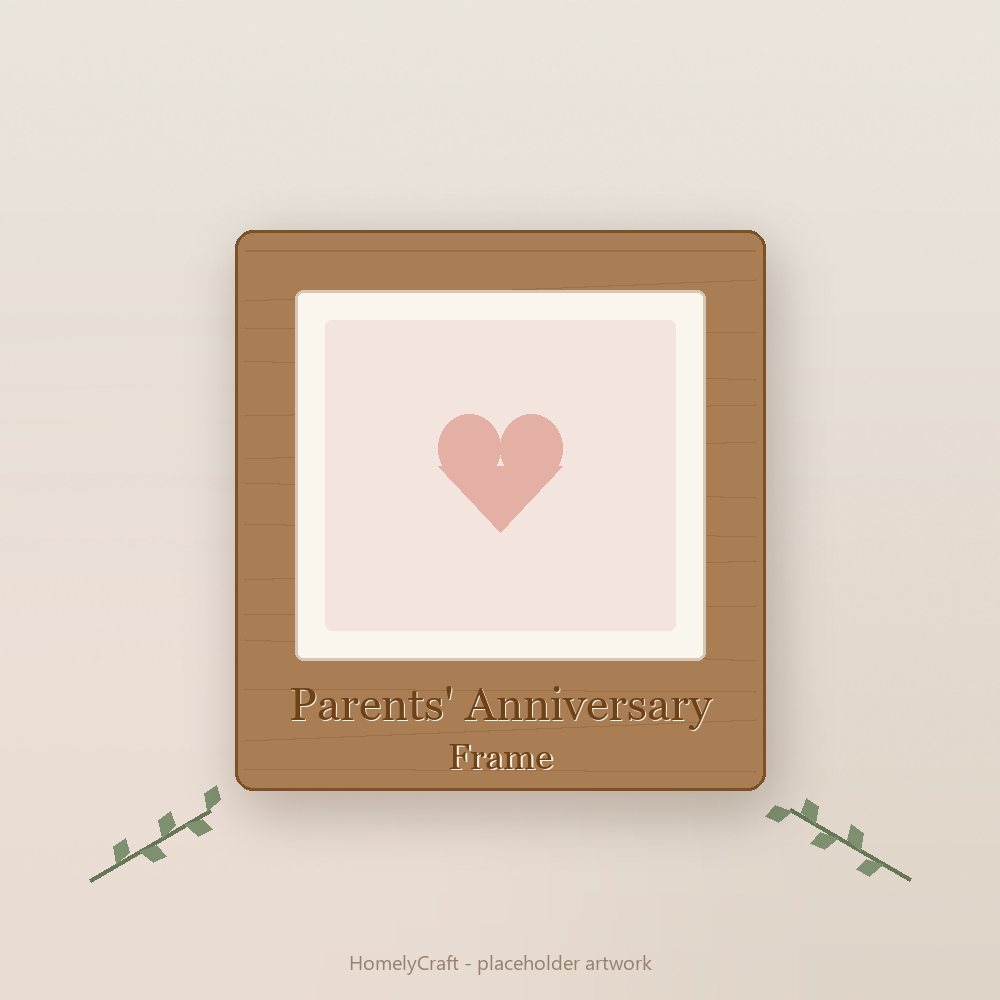
Parents' Anniversary Frame
Their wedding photo, reprinted and framed, with the date and the years since.
Family Gifts
Handwritten Recipe Board
Her handwriting, her recipe, engraved into wood exactly as she wrote it.
Personalized Gifts
Engraved Photo Block
A solid block with your photo on the face and your words on the side.
Couples who have just merged two homes
Newlyweds and couples moving in together say “no more stuff” with real feeling, because they have just carried two households into one. The exception they make is for anything carrying both names or the date they started - that is the one category where they have nothing yet.
A name sign, a dated plaque or a keepsake box is not adding to the pile; it is the first thing in the house that is specifically theirs rather than inherited from one of the two flats.
People who are downsizing or decluttering
Somebody midway through clearing a house is the hardest case, and honestly the right answer is often not an object at all. If you do give something, make it small, make it flat, and make it carry a name or a date - those are the items that survive a clear-out, because they are the ones nobody can throw away.
Teenagers and young adults
“I don't want anything” from an eighteen-year-old usually means “I don't want anything you would choose”. A piece with their own name or initial, in a plain finish, sidesteps the taste problem entirely - there is nothing to disagree with.
When nothing really does mean nothing
Some people are grieving, some are unwell, some are simply exhausted, and a parcel is one more thing to deal with. If that is the situation, a card and a visit beat anything that arrives in packaging. We would rather tell you that than sell you a box.
Questions about buying guides
What do you buy someone who says they want nothing?
Something small with a job, or something that records a date rather than decorating a shelf. The objection is usually clutter, obligation, waste or being misread - and each of those has a different answer.
Is it rude to buy a gift for someone who asked for nothing?
Not if it is small, useful or dated, and if the card gives them permission not to display it. What people object to is the obligation, not the thought.
What is a good gift for someone who has everything?
A piece carrying a date, a place or a line of handwriting. It cannot be duplicated, cannot be re-gifted, and is not competing with anything they already own.
What should I avoid?
Anything that needs maintaining, anything sized or scented, novelty gifts, sets of several items, and anything expensive enough to make them feel they owe you.
Which HomelyCraft gift suits someone who wants nothing?
Something small and dated rather than decorative - an Engraved Photo Block, a Custom Date Plaque or a Handwritten Recipe Board. HomelyCraft pieces carry a name or a date, which is what makes them survive a clear-out.
More from the gift journal
- How to Choose a Personalized Gift (Without Getting It Wrong)Personalization is not just adding a name. A short guide to picking a gift that reads as thoughtful rather than as merchandise.
- Last-Minute Personalized Gifts That Do Not Look Last-MinuteYou have left it late. Here is what can honestly be made in time, what cannot, and the trick that makes a gift arriving after the date land better than a rushed substitute.
- Wedding Gift Etiquette: How Much to Spend and What to Actually GiveWhat guests in the US and UK actually spend, when cash is the right answer, and how to give something that is still in the house in ten years.
Made by hand, personalized for one person
Everything in these guides is something we make. Send us the names, the date and the message, approve the layout, and we will craft and ship it.
Browse all gifts